Time: 15 Minutes | Yield: 3-4 Servings
The landscape of classic comfort food is shifting toward a philosophy of “Gourmet Speed.” In 2026, we are looking for the deep, umami-rich flavors of a slow-simmered Italian stew without the hour-long wait. At DailyDishFeed, we are championing the “Starch-Fusion” movement—a culinary strategy that uses the natural starches of pasta and beans to create a thick, velvety sauce in a single vessel.
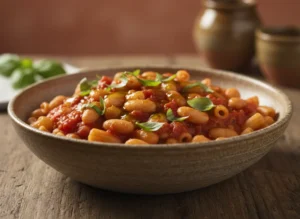
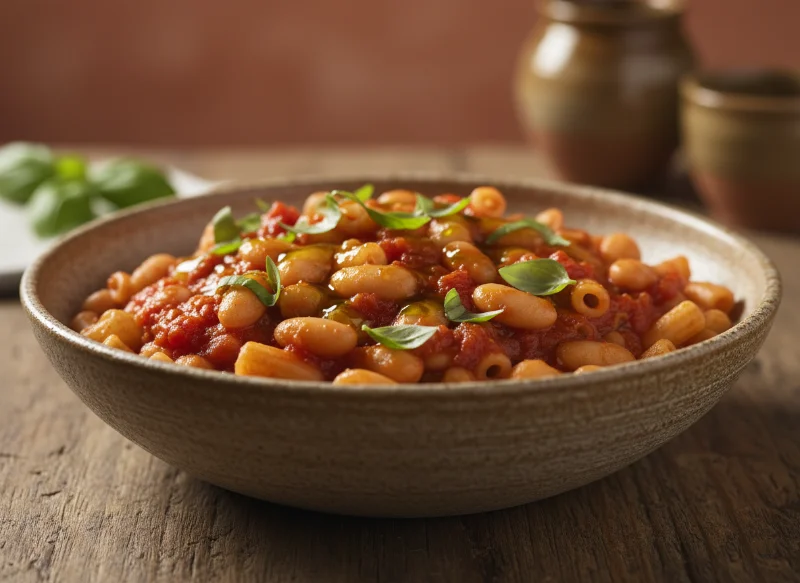
This 15-Minute One-Pot Pasta e Fagioli is the definitive expression of this high-efficiency trend. It belongs on your 30-Minute Vegan Dinners board because it eliminates the need to boil pasta separately. By utilizing the “Direct-Saturation” method, you allow the pasta to cook directly in a savory tomato broth, ensuring every bite is saturated with aromatic herbs and “meaty” plant-based protein.
The Science of “Starch-Bonding” Efficiency
How do we get a thick, restaurant-quality stew in fifteen minutes? It comes down to amylopectin management and the Lipid-Saturation rule. In the modern kitchen, we prioritize “Molecular Thickening”:
- The Partial Bean-Mash: Before adding the pasta, we use a fork to mash roughly 1/3 of the cannellini beans against the side of the pot. This releases the internal starches, creating an instant “cream” base. This is the Starch-Bonding moment—it provides a heavy mouthfeel without any dairy.
- The Direct-Saturation: We add the ditalini pasta directly into the simmering broth. As the pasta cooks, it releases surface starch into the liquid, further thickening the stew while absorbing the savory flavors of garlic and rosemary into its core.
- The Umami-Flash: We sauté tomato paste and dried herbs in a small amount of oil at the start. This “blooms” the fat-soluble aromatics, creating a concentrated foundation that makes the stew taste like it’s been simmering for hours.
Why This Stew is a 2026 Nutritional Powerhouse
We focus on “Satisfying Strength”—the idea that our quick meals should provide the structural building blocks for physical resilience and cognitive focus.
- Complete Plant-Based Protein: The combination of white beans and pasta provides a broad spectrum of amino acids. Cannellini beans are a nutritional titan, offering a massive dose of iron and fiber to keep your energy levels stable.
- Lycopene and Antioxidant Support: The tomato-based broth is rich in lycopene, which becomes more bioavailable when heated with a healthy fat like olive oil. This supports cardiovascular health and provides a natural “bio-shield” during the spring transition.
- Fiber-Rich Satiety: This stew is a fiber powerhouse. The soluble fiber in the beans and the complex carbohydrates in the pasta ensure a slow, steady release of energy, preventing the post-dinner slump and keeping you satiated until morning.
Ingredients & Substitutions Guide
- 1 Can (15 oz) Cannellini Beans: Drained and rinsed.
- 1 Cup Ditalini or small Shell Pasta: (Small shapes are essential for the 15-minute limit).
- 4 Cups Vegetable Broth: The savory liquid foundation.
- 2 tbsp Tomato Paste: For concentrated umami.
- 3 Cloves Garlic: Minced finely for the “Aromatic Bloom.”
- 1 tsp Dried Rosemary & 1 tsp Dried Oregano: To build the herbal base.
- 1 tbsp Nutritional Yeast: For a savory “Parmesan” finish.
- Fresh Basil: For the “Living Layer” garnish.
- Salt & Black Pepper: To taste.
Step-by-Step Instructions
1. The Aromatic Bloom (Step 1 of 5): Heat a teaspoon of olive oil in a large pot over medium-high heat. Add the minced garlic, tomato paste, rosemary, and oregano. Sauté for 60 seconds until the paste turns a deep brick red and smells fragrant.
2. The Starch-Bond Build (Step 2 of 5): Add the cannellini beans to the pot. Use the back of a spoon to mash a handful of the beans against the side. Pour in the vegetable broth and bring to a rapid boil.
3. The Direct-Saturation (Step 3 of 5): Add the ditalini pasta directly into the boiling broth. Reduce heat to medium and simmer for 8–10 minutes, stirring occasionally to prevent sticking.
4. The Silk Integration (Step 4 of 5): Once the pasta is al dente, the liquid should have reduced into a thick, glossy stew. Stir in the nutritional yeast to add a final layer of savory depth.
5. The Final Living Layer (Step 5 of 5): Turn off the heat. Season with sea salt and a generous amount of freshly cracked black pepper.
6. Serve: Divide into bowls and top with fresh basil and a small drizzle of extra virgin olive oil. Serve immediately while the “Starch-Bond” is at its peak silkiness.
Expert Tips for Success
The key to a restaurant-quality 15-minute stew is Liquid Management. If the stew looks too thick before the pasta is done, add an extra splash of broth. If it looks too thin, mash a few more beans. For an extra high-performance boost, stir in a handful of fresh baby spinach during the final 60 seconds of cooking—the residual heat will wilt it perfectly!